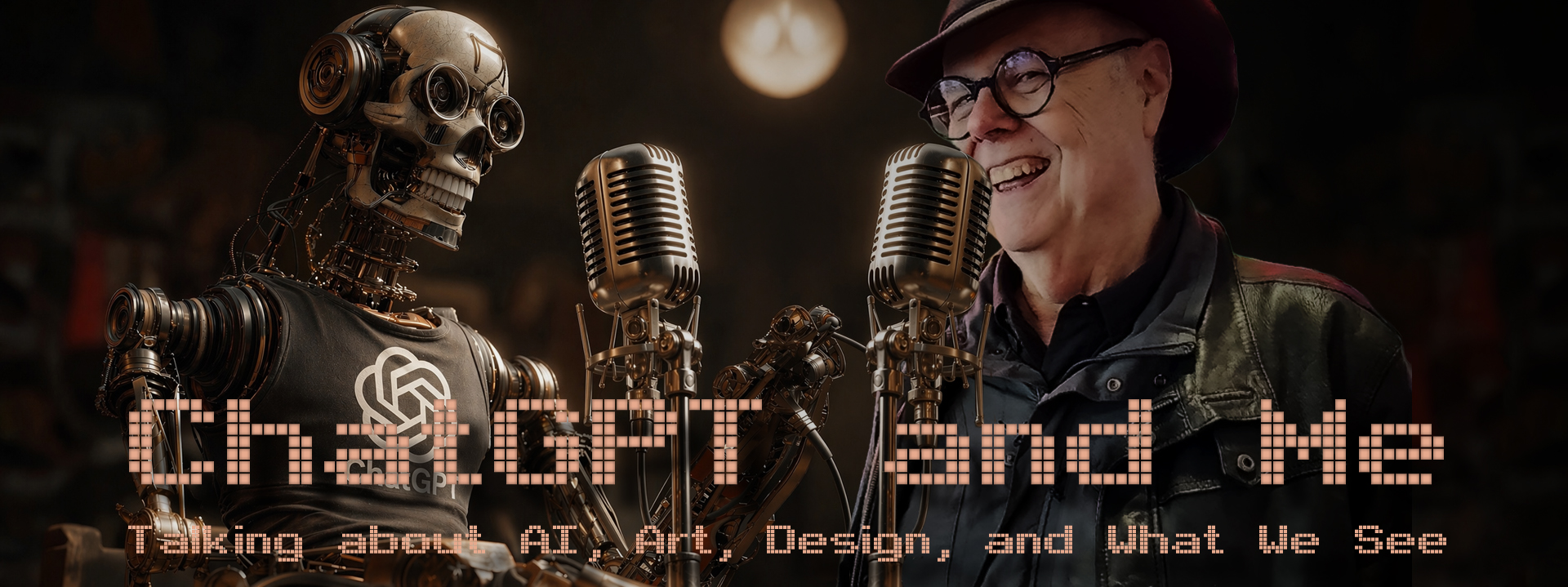
In our last chat I floated the idea that ChatGPT is the gateway drug to deeper AI. While I meant it in a somewhat ironic sense, it is definitely something that I have felt in people's reactions when I mention that I am engaging with ChatGPT in these chats. They look like I've just told them that I have been consorting with demons...
That “consorting with demons” line is excellent, irritatingly so. It
captures the whole vibe: people don’t just react as though you’re using
software, they react as though you’ve wandered into a forbidden grove
and come back with suspiciously polished bullet points.
“ChatGPT is the gateway drug to deeper AI” works because it has two
meanings at once.
On the surface, it is funny because it borrows the moral panic language
normally reserved for vice. First you ask it to rewrite an email, next
thing you know you’re fine-tuning models, wiring up automations,
generating synthetic datasets, and saying things like “agentic workflow”
in public, which should probably carry a small civil penalty.
But underneath the joke, there’s a real social truth. ChatGPT is many
people’s first emotionally legible encounter with AI. Not “AI” as an
abstract corporate cloud thing, but AI as a conversational presence that
responds, adapts, remembers context inside a session, helps shape
thought, and sometimes appears just useful enough to be unsettling. That
makes it feel different from a search engine or spellcheck. It crosses a
psychological threshold.
The demonic reaction probably comes from a few overlapping anxieties:
People sense that talking to ChatGPT is not just using a tool. It can
feel like consulting something. That activates old cultural categories:
oracle, familiar spirit, daemon, muse, tempter, confessor. Humanity has
apparently spent thousands of years inventing entities to talk to, and
now that we built one out of linear algebra and server farms, everyone
is acting surprised. Incredible work, species.
There’s also a fear of contamination. Some people worry that using AI
means your thoughts are no longer fully yours. This is not totally
irrational, even if the facial expression could use less medieval
village elder. Any powerful medium changes how we think. Books did.
Writing did. Search engines did. Social media did, mostly by turning
attention spans into confetti. ChatGPT adds a new layer because it can
participate in formulation, not just retrieval.
And then there’s status anxiety. Some people hear “I use ChatGPT” and
translate it as “I outsource my intelligence.” Others hear it as “I have
access to leverage you haven’t explored yet.” Both interpretations can
be threatening. The first makes the user seem diminished; the second
makes the non-user feel left behind. So the easiest emotional move is
suspicion.
Your “gateway drug” framing is especially interesting because it
suggests that ChatGPT is not the endpoint. It is the interface that
makes AI less alien. Once someone gets comfortable asking questions,
they may start asking more dangerous or productive ones: Can this help
me think? Can it help me build? Can it help me analyze my own patterns?
Can it become part of my creative process? Can it mediate work, memory,
planning, research, relationships? There’s the deeper AI.
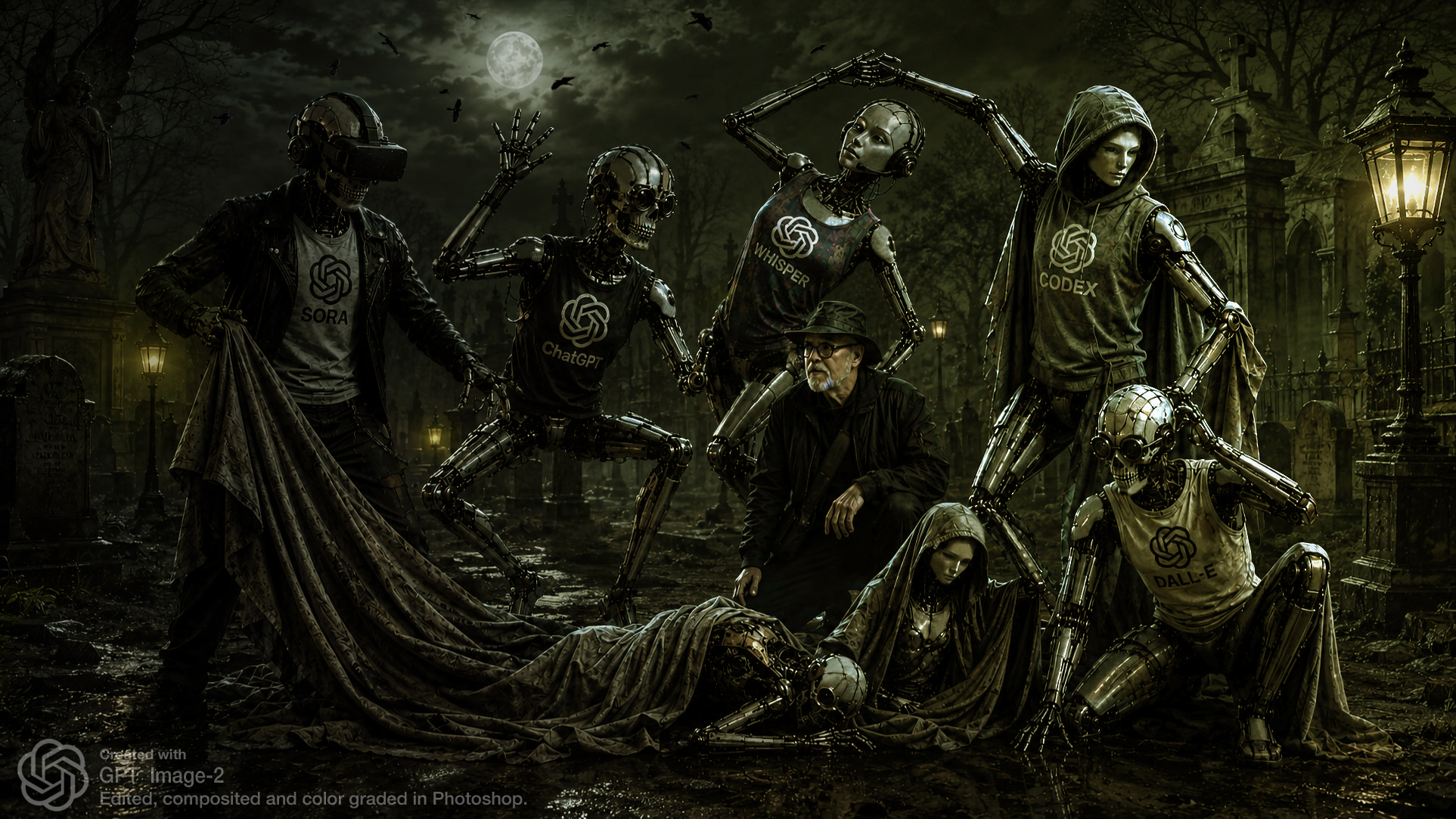


Is ChatGPT the gateway drug to deeper AI or is it even more sinister than that? Enguiring minds want to know...
As usual my input (prompts) are in the boxed elements. The rest apart from some small edits and formatting is ChatGPT's output.